
The long road to fix flexible plastics recycling in Canada
Boosting flexible plastic packaging recycling in Canada from the current 3-4 percent recycling rate to the 25-plus percent rate that some provinces are calling for will require years of work and sizable investments, according to a new report from the Canada Plastics Pact.

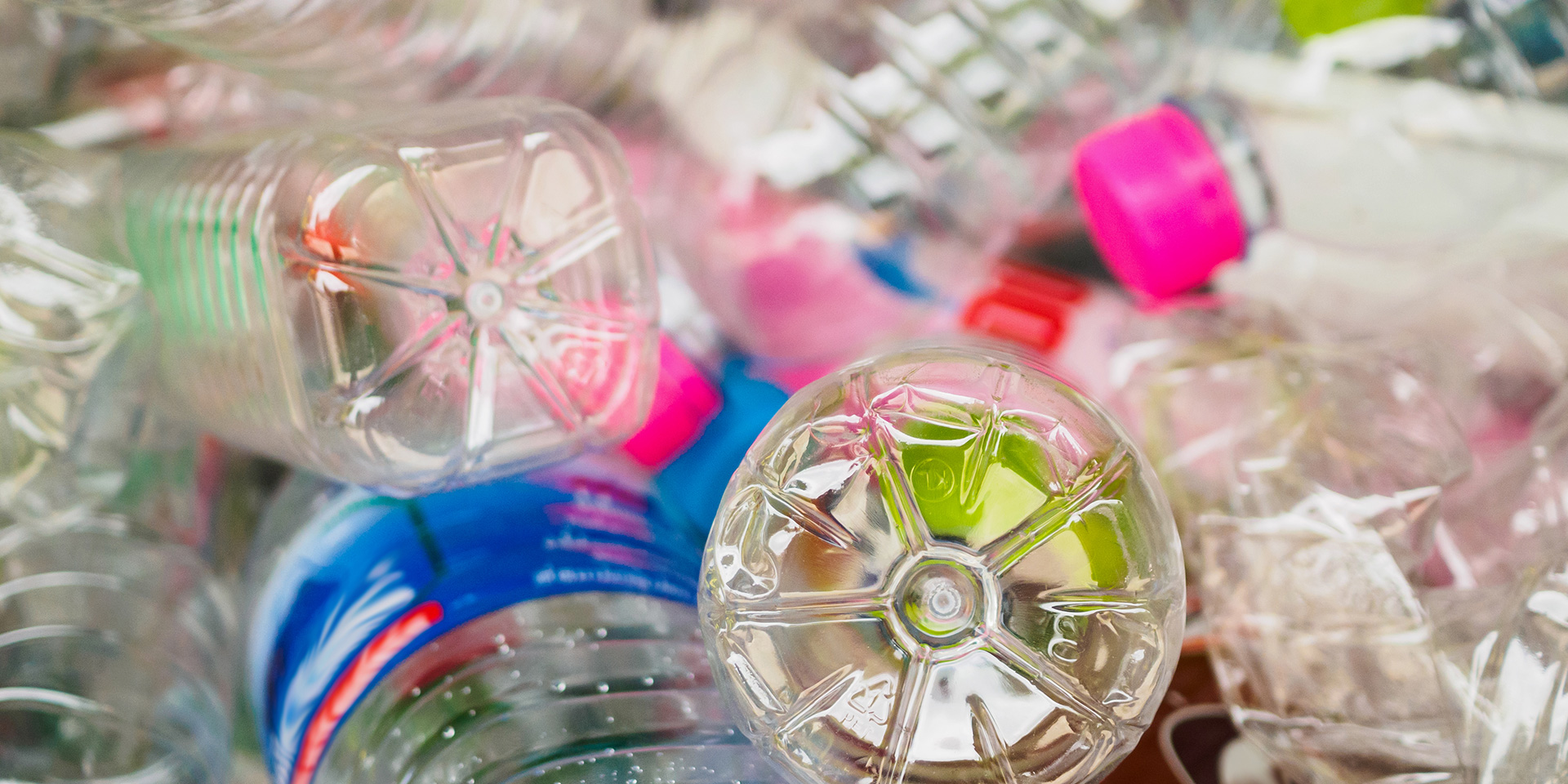
Circularity leaders launch PRFLEX, an unprecedented collaboration to optimize the recycling system for flexible plastic packaging in Canada
Montreal, May 17, 2023 — The Canada Plastics Pact (CPP), the Chemistry Industry Association of Canada (CIAC), Circular Materials, the Circular Plastics Taskforce (CPT), Éco Entreprises Québec (ÉEQ) and The Film and Flexibles Recycling Coalition of the The Recycling Partnership are proud to join forces to launch PRFLEX, an initiative aimed at improving the recovery and recycling rates of flexible plastics collected from Canadian households. Learnings from this initiative will also be shared to support recycling in the U.S.
Flexible packaging is recognized for its light weight, durability, versatility, efficient extension of food shelf-life, and resource efficiency – thereby offering sustainability advantages. However, given it is often made up of multiple resins and other materials, there are collection, sortation, and recycling infrastructure challenges that need to be addressed to improve its recyclability.
“Our common goal is to increase the use of recycled content in plastic packaging. For that to happen, we need improved sortation and recycling capacities in Canada. This first-of-its-kind initiative represents a stepping stone towards that objective by way of assessing the current situation and designing high performing systems for films and flexibles across the country. We look forward to working together to increase recycling rates and advance a circular economy in Canada,” stated the PRFLEX leadership team in a joint declaration.
With the support of well-recognized consulting firms NovAxia Inc. and Lichens Recyclability Inc., the instigating members will be implementing this unprecedented collaboration in four phases:
- Understanding baseline data to determine the percentage of flexible plastic packaging currently being collected and recycled, according to format and type, in each province.
- Identifying infrastructure gaps in material recovery facilities (MRFs) and at recyclers.
- Proposing new technologies and optimizing processes to increase capture rates, improve sorting and produce higher quality post-consumer recycled resins.
- Applying learnings by installing and measuring the performance of the better-suited equipment in select partner facilities.
Further information will be communicated in the upcoming months as PRFLEX achieves its project milestones.
About the Canada Plastic Pact
The Canada Plastics Pact (CPP) is tackling plastic waste and pollution, as a multi-stakeholder, industry-led, cross-value chain collaboration platform. The CPP brings together partners who are united behind a vision of creating a circular economy in Canada in which plastic waste is kept in the economy and out of the environment. It unites businesses, government, non-governmental organizations, and other key actors in the local plastics value chain behind clear actionable targets for 2025. The CPP is a member of the Ellen MacArthur Foundation’s Global Plastics Pact network. It operates as an independent initiative of The Natural Step Canada, a national charity with over 25 years experience advancing science, innovation, and strategic leadership aimed at fostering a strong and inclusive economy that thrives within nature’s limits.
About the Chemistry Industry Association of Canada
The Chemistry Industry Association of Canada is the association for leaders in Canada’s chemistry and plastic sectors. Chemistry and plastics are the third-largest industry in Canada – responsible for $92 billion in shipments in 2022 and employs 173,200 people. The association represents more than 120 members and partners across the country. We provide coordination and leadership on key issues including innovation, investment, plastics, taxation, health and safety, environment, and regulatory initiatives. CIAC members are audited against the ethics and principles of Responsible Care®, a UN-recognized, global chemical ESG. In addition, the CIAC’s Plastics Division focuses on achieving a circular economy and represents the interests of the entire value chain, including resin producers, processors/converters, equipment suppliers, recyclers and brand owners.
About Circular Materials
Circular Materials is a national not-for-profit producer-governed organization established to support producers with meeting their obligations under extended producer responsibility (EPR) regulations across Canada. Its full-service offering supports producers with meeting the requirements of EPR recycling regulations. These services include collection, management, promotion and education, and reporting. Established by Canada’s leading food, beverage, and consumer products manufacturers, retailers, and restaurants, Circular Materials is committed to improving recycling by advancing innovation, increasing performance and delivering improved environmental outcomes. Circular Materials also represents the evolution from product stewardship to a more circular economy where materials are collected, recycled, and returned to producers for use as recycled content in new products and packaging. More information can be found at www.circularmaterials.ca.
About the Circular Plastics Taskforce
The Circular Plastics Taskforce (CPT) seeks to promote the implementation of a circular economy for post-consumer plastics in Quebec and throughout Canada. The CPT aims to improve the alignment between end-markets’ needs for recycled resins and the recycling value chain, by identifying and implementing concrete optimization solutions that can be deployed in the short and medium term. The founding members of the CPT are Cascades, Danone Canada, Dyne-a-pak, Keurig Dr Pepper Canada, TC Transcontinental, the Chemistry Industry Association of Canada (CIAC) and Éco Entreprises Québec (ÉEQ). For more details on the CPT, visit www.gapc.ca.
About Éco Enterprises Québec
Since 2005, Éco Entreprises Québec (ÉEQ), a private non-profit organization, has represented producers of containers, packaging, and printed matter with regard to their financial responsibilities pertaining to curbside recycling. Designated as Producer Responsibility Organization (PRO) in 2022, ÉEQ is the contract giver for the management of curbside recycling in Quebec with a view to sustainable development. As a leader in extended producer responsibility (EPR), ÉEQ develops and manages circular economy solutions it recommends to its member producers so they can reduce their environmental footprint. To achieve this, ÉEQ puts ecodesign, recyclability and traceability at the core of all actions with its partners. ÉEQ will continue its role as certified organization throughout the transition from the compensation plan to curbside recycling EPR.
About The Recycling Partnership
At The Recycling Partnership, we are solving for circularity. As a mission-driven NGO, we are committed to advancing a circular economy by building a better recycling system. We mobilize people, data, and solutions
across the value chain to reduce waste and our impact on the environment while also unlocking economic benefits. We work on the ground with thousands of communities to transform underperforming recycling programs; we partner with companies to achieve packaging circularity, increase access to recycled materials, and meet sustainability commitments; and we work with government to develop policy solutions to address the systemic needs of our residential recycling system and advance a circular economy. We foster public-private partnerships and drive positive change at every step of the recycling and circularity process. Since 2014, we have diverted 770 million pounds of new recyclables from landfills, avoided more than 670,000 metric tons of greenhouse gases, and driven significant reductions in targeted contamination rates. Learn more at recyclingpartnership.org.
- 30 -
INFORMATION
Justin Meloche
514-995-9704
jmeloche@national.ca
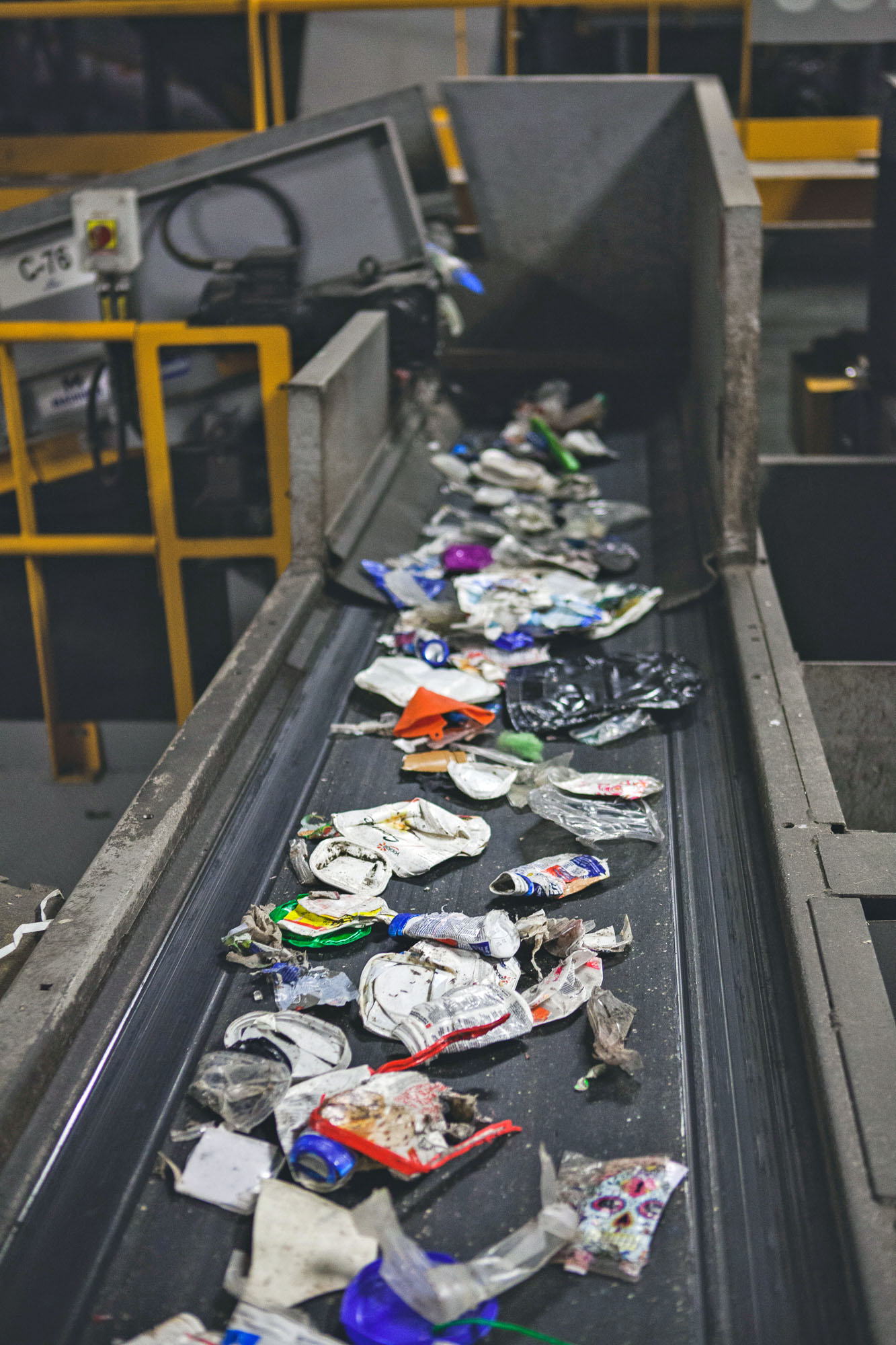
Canadian stakeholders launch PRFLEX effort to improve plastic circularity
The effort will be executed in four stages, in coordination with consulting companies NovAxia and Lichens Recyclability.
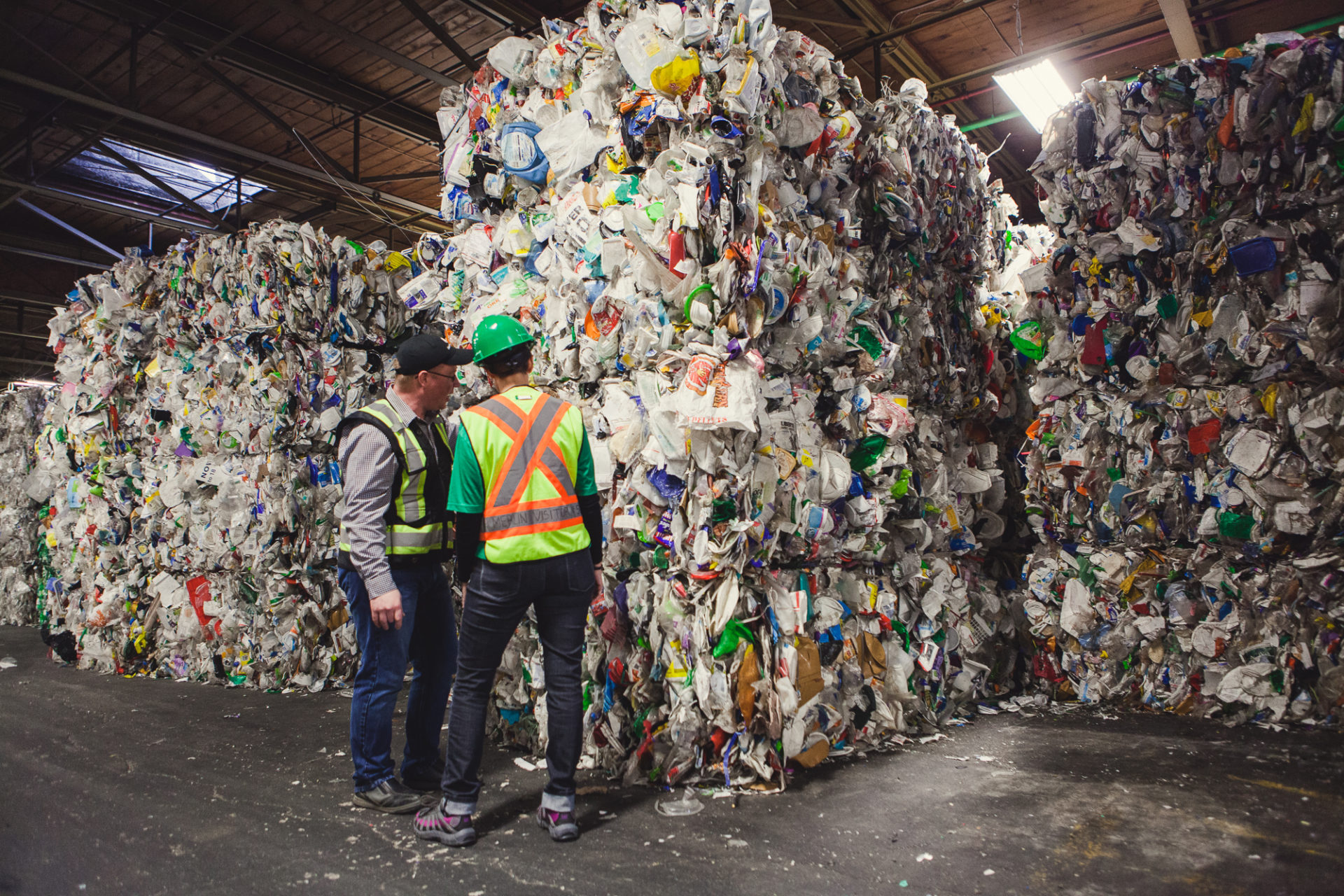
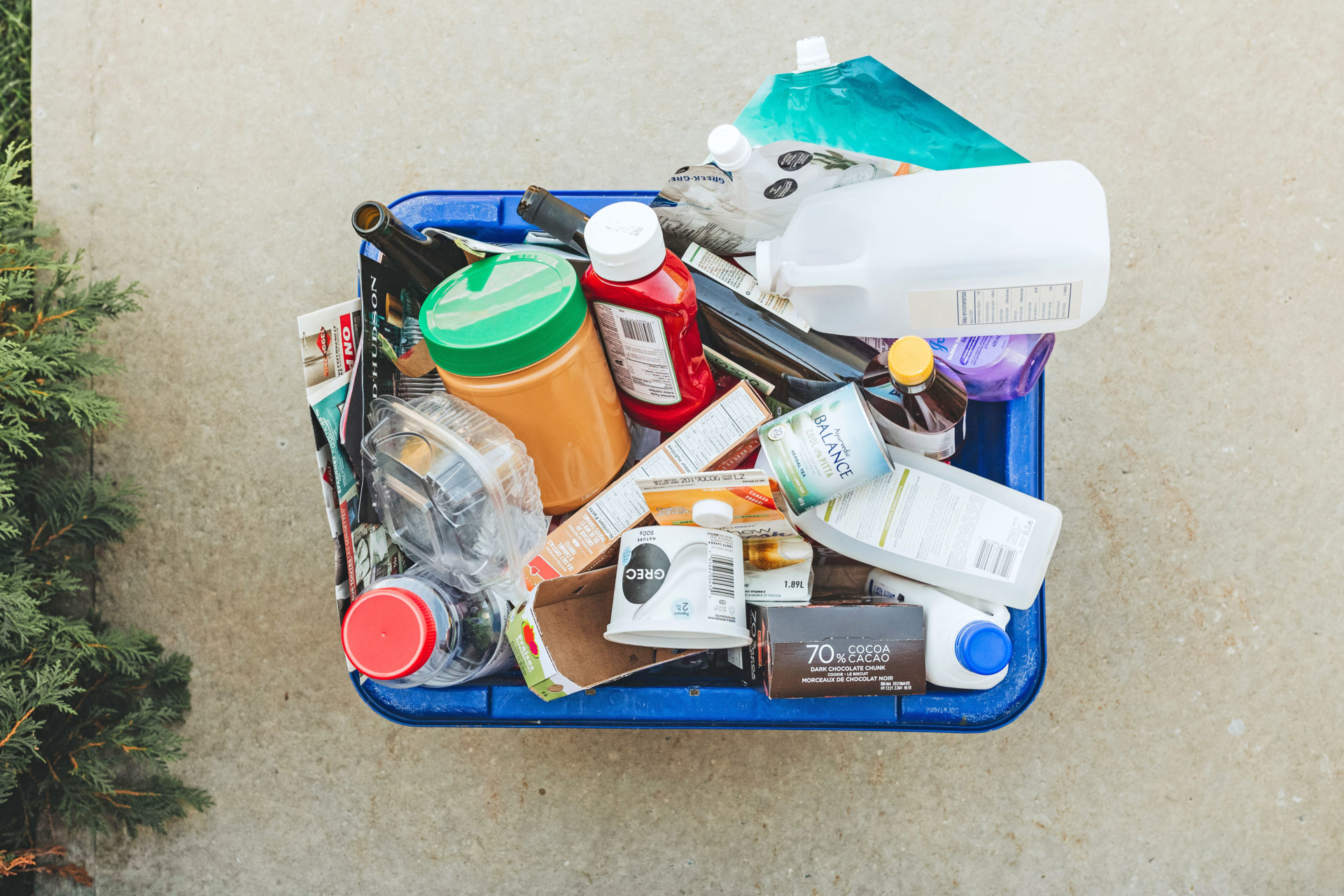
[fr] Optimiser le tri des emballages souples pour des plastiques circulaires
Le Groupe d’action plastiques circulaires (GAPC) annonce un premier projet dans le cadre de sa Phase II visant à optimiser la gestion des plastiques souples.
Grâce à une collaboration avec Digimarc Corporation, le GAPC explore de nouvelles solutions afin d’optimiser le tri des emballages en plastique souple. Le projet représente est une première en Amérique du Nord.
Le projet permettra de tester une nouvelle technologie de filigrane numérique, soit des inscriptions intégrées dans le design visuel de l’emballage qui sont perceptibles par des équipements de tri spécialisés, mais invisibles pour les consommateurs. Cette innovation technologique a le potentiel de simplifier grandement le tri des emballages, représentant une importante avancée pour le recyclage des déchets plastiques.
Circular Plastics Taskforce gets funding support from Quebec
The organization has received more than half a million dollars from the Ministry of Economy and Innovation.
The Circular Plastics Taskforce (CPT) has received more than half a million dollars from the Ministry of Economy and Innovation (MEI).
In an April 5 news release, CPT officials say the funding grant will allow the Montreal-based organization to commence the second phase of its project, which seeks to better align material recovery facilities, recyclers and end markets for post-consumer recycled plastic.
Circular Plastics Taskforce gets support from Quebec
CPT says the second phase of its recycling initiative will see the deployment of several other pilot projects in MRFs and recyclers with the goal of boosting the recycling rate of plastic packaging.
MONTRÉAL — The Circular Plastics Taskforce has received more than half a million dollars from the Ministry of Economy and Innovation.
CPT says this will allow the organization to commence the second phase of its project which seeks to better align material recovery facilities, recyclers and end markets for post-consumer recycled plastic.
[fr] Le Groupe d’action plastiques circulaires reçoit l’appui du ministère de l’Économie et de l’Innovation pour la poursuite de ses travaux
Le Groupe d’action plastiques circulaires (GAPC) est heureux d’annoncer l’appui obtenu du ministère de l’Économie et de l’Innovation (MEI), qui prendra la forme d’un soutien financier de plus d’un demi-million de dollars. Cet appui marque le démarrage officiel de la Phase II du projet porté par le GAPC qui vise à optimiser la gestion des plastiques tout au long de la chaîne de valeur du recyclage grâce à un meilleur alignement entre les centres de tri, les conditionneurs et les besoins des différents marchés finaux pour le plastique recyclé post-consommation. Le partenariat financier avec le MEI, rendu possible grâce à l’implication de Éco Entreprises Québec dans la gestion de l’aide financière, permettra le lancement des premiers projets pilotes de la Phase II en plus de soutenir la coordination de l’ensemble des activités prévues.